
Farmers Markets Are Having a Moment (And It's Not Why You Think)
Farmers' markets are just... better. Here's why.
Something interesting happened between 2019 and 2024. The number of farmers' markets in the United States grew from around 8,700 to over 9,200, according to the USDA's Agricultural Marketing Service. But the real story isn't in those numbers—it's in who's showing up and why they keep coming back.
It's about getting better food with less hassle—and having the right tools to make it simple.
The Food Actually Tastes Different
Walk into any grocery store, and you'll find tomatoes that were picked green two weeks ago, gassed to turn red, and shipped across the country. They look perfect. They taste like water.
At a farmers' market, that tomato was picked yesterday morning. The difference isn't subtle—it's the reason people become weekly regulars after a single visit. Stone fruit that's actually ripe. Lettuce that hasn't been sitting in a distribution center. Bread that was baked this morning, not shipped frozen and "freshly baked" in-store.
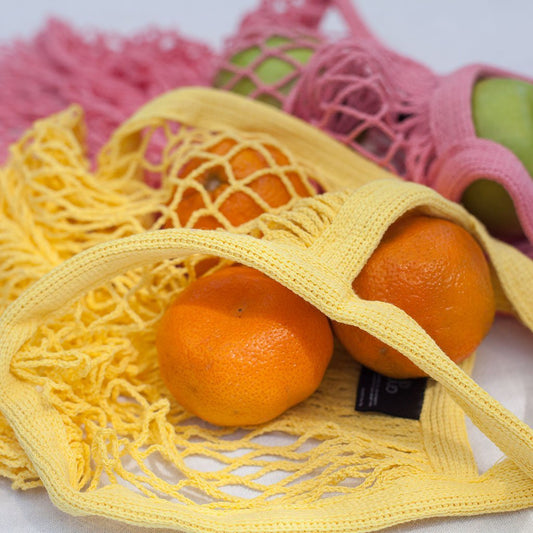
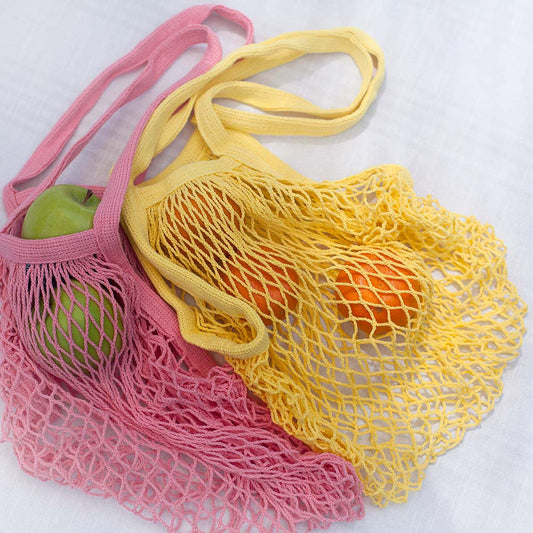
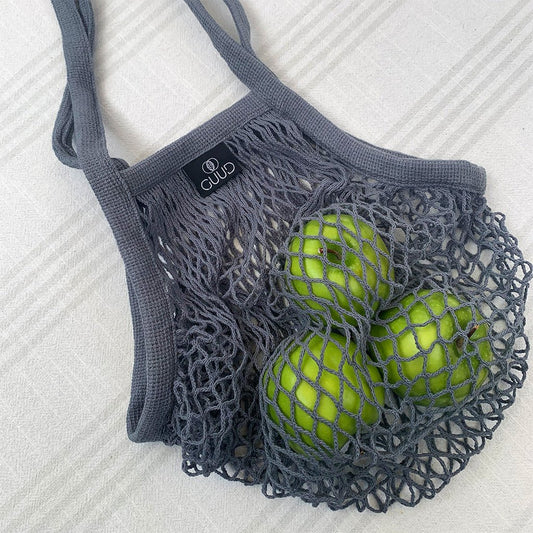
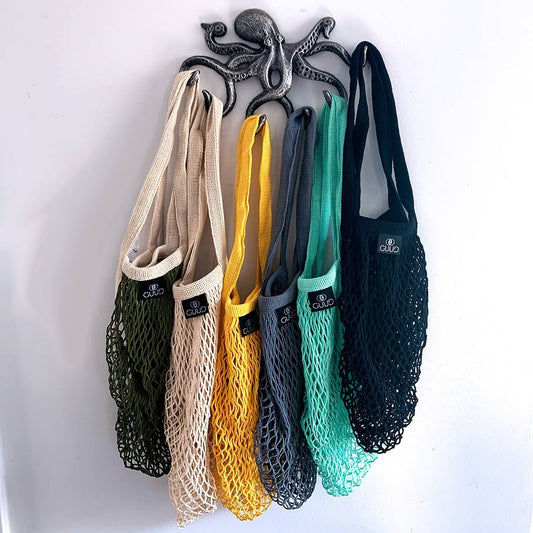
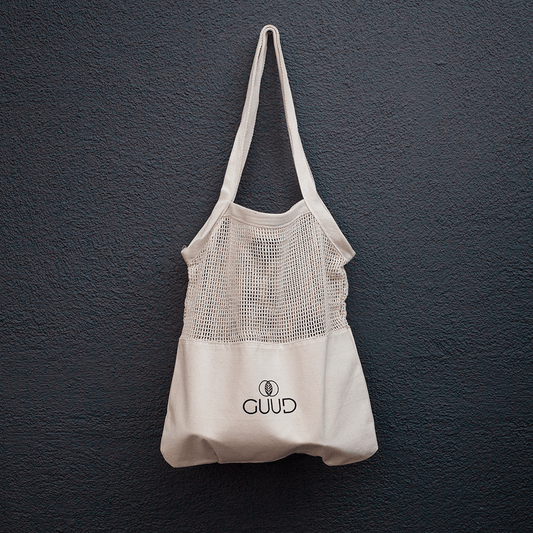
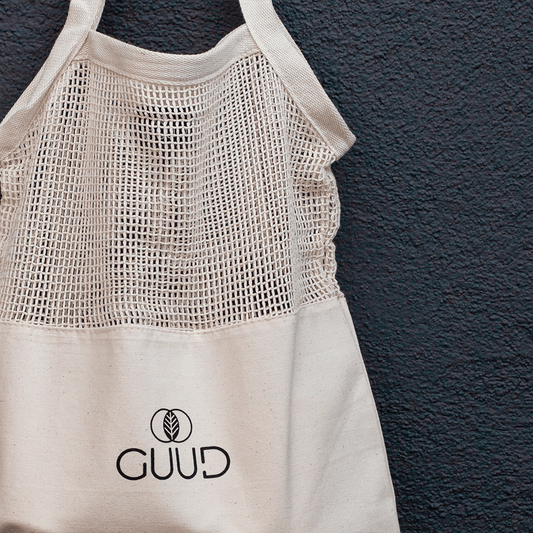
You're not paying a premium for an ideology. You're paying for food that tastes the way it's supposed to. And you'll want something sturdy to carry it all home in—a French mesh tote bag holds everything from bunches of kale to fresh baguettes without the plastic waste.
Less Packaging, More Simplicity
Here's what doesn't happen at a farmers market: You don't unwrap your carrots from plastic, then unwrap them again from another layer of plastic, then throw away the twist tie, then recycle (maybe) the outer bag.
You put carrots directly into your reusable produce bag. That's it.
The average grocery store produces mountains of packaging waste—not because consumers demand it, but because industrial distribution requires it. Food travels hundreds or thousands of miles, needs to look perfect on shelves, and must survive handling by multiple people and machines.
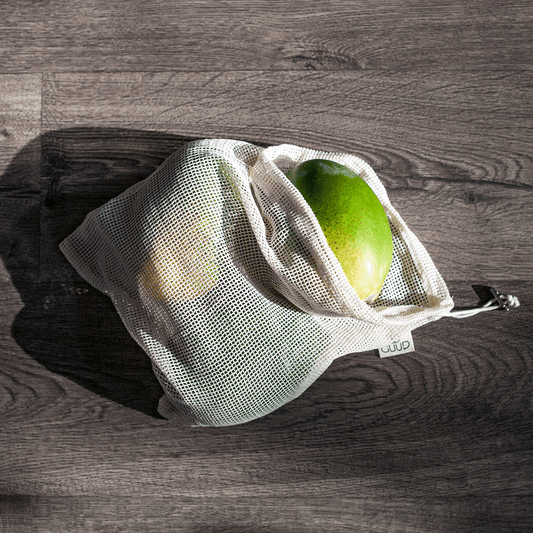
Farmers' markets skip all of that. Bring a few cotton mesh produce bags, and you're done—no single-use plastic bags accumulating under your sink. The farmer hands you the food, you drop it in your bag, and you take it home. The simplicity is almost jarring at first, then becomes the main appeal.
Bulk Without the Plastic
One of the farmers market shopping's hidden advantages? Bulk items without the plastic packaging.
Local honey, maple syrup, fresh-pressed oils, and homemade kombucha—vendors often sell these in bulk, and many encourage customers to bring their own containers. A 17-oz glass swing-top bottle is perfect for this. Fill it with honey from the local beekeeper, and you've got a reusable system that costs less and tastes better than anything in a grocery store squeeze bottle.
The same goes for liquid staples. Instead of buying a new plastic container every time, you bring your glass bottle back week after week. It's not complicated. It just makes sense.
The California Organic Paradox
Here's something most people don't know: many small farmers grow using organic practices but can't legally call their produce "organic."
In California, for example, organic certification requires farmers to pay fees (ranging from hundreds to thousands of dollars annually), maintain detailed records, and undergo regular inspections. For a small-scale farmer selling $20,000 worth of produce per year, these costs and administrative burdens often aren't feasible.
The result? You'll find farmers at markets who use no synthetic pesticides, practice crop rotation, and maintain soil health—all the principles of organic farming—but sell their produce as "conventionally grown" because they lack certification.
At a farmers' market, you can simply ask the farmer how they grow their food. Try that with a grocery store tomato. And when you're selecting produce directly from the person who grew it, tossing it into an organic cotton mesh bag feels like the natural next step—you can see what you're buying, and the farmer can see you're serious about skipping unnecessary packaging.
Connection in a Disconnected World
The checkout person at your grocery store doesn't know where your strawberries came from. The farmer who grew them does—because they're standing right in front of you.
This isn't about romanticizing agriculture. It's about the simple satisfaction of knowing where your food comes from and who grew it. When your lettuce tastes bitter, you can ask why. When the peaches are particularly sweet this week, the farmer can tell you it's because of the warm nights.
Farmers' markets saw a surge during the pandemic—outdoor shopping felt safer—but people stuck around afterward because they'd discovered something they didn't know they were missing. Just a more straightforward, more human way to buy food.
Better Shopping, Not Virtuous Shopping
The farmers market boom isn't driven by guilt or obligation. It's driven by people who tried it once, realized the food tasted better, and the experience was simpler, and decided to keep showing up.
No app needed. No delivery fees. No scrolling through 47 types of olive oil. Just farmers, food, and the radical simplicity of buying what's in season from the person who grew it. Toss a mesh tote bag over your shoulder, grab a few produce bags, maybe bring a glass bottle for that vendor with the incredible raw honey—and you're set.
That's the moment we're having. Better food, less waste, simpler Saturdays.